
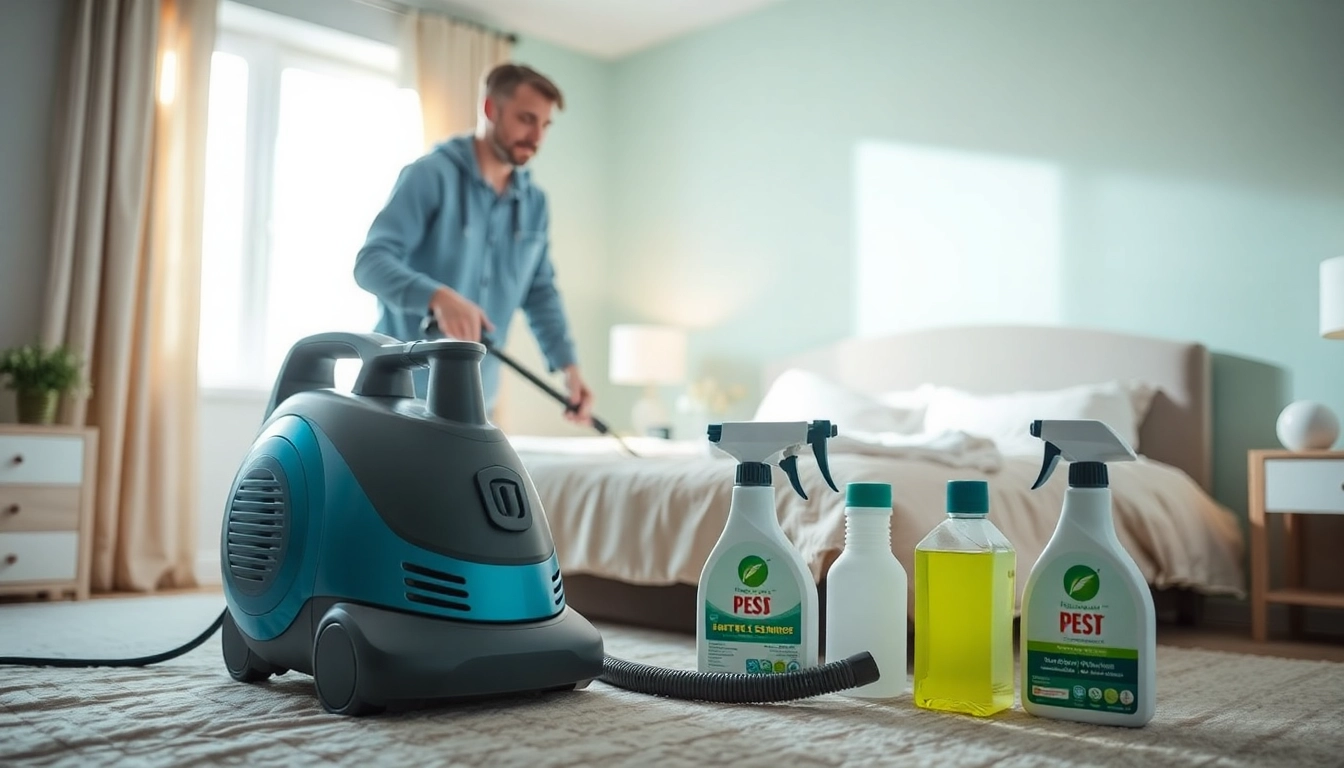
Understanding Bed Bug Removal
Bed bugs are notorious pests that can turn a peaceful night’s sleep into a sleepless ordeal. Recognizing the need for effective bed bug removal is crucial for maintaining a safe and comfortable living environment. Let’s delve into the world of bed bugs, their signs, and the necessary steps for effective removal.
What Are Bed Bugs?
Bed bugs (Cimex lectularius) are small, wingless insects that feed on the blood of humans and animals, primarily at night. Adult bed bugs are about the size of an apple seed (approximately 4–5 mm in length) and can range from brown to reddish in color. They thrive in warm, sheltered environments like mattresses, bed frames, and any crevice where they can hide during the day.
Signs of a Bed Bug Infestation
Detecting a bed bug infestation early is crucial for effective bed bug removal. Common indicators include:
- Red Bites: Small, red, itchy welts on the skin, often in a line or cluster.
- Blood Stains: Tiny blood spots on sheets or mattresses from crushed bed bugs.
- Dark Spots: Small, dark spots of bed bug feces on bedding or near their hiding spots.
- Eggs and Shells: Tiny, pearly white eggs and discarded exoskeletons can be found in their hiding spaces.
Common Myths About Bed Bugs
Several misconceptions surround bed bugs which can lead to ineffective treatment methods. Here are a few common myths:
- Myth 1: Bed bugs are only found in dirty homes. Truth: They can thrive in any environment, regardless of cleanliness.
- Myth 2: You cannot see bed bugs. Truth: They are visible to the naked eye, especially adults.
- Myth 3: Essential oils can repel bed bugs effectively. Truth: While they may deter some pests, they are not reliable for complete eradication.
Preparing for Bed Bug Removal
Preparation is key to successful bed bug removal. Making sure your home is ready for treatment can significantly impact the effectiveness of the process.
How to Prepare Your Home
Before any treatment can begin, take the following steps to prepare your home:
- Remove all beddings and linens and wash them in hot water (above 140°F) to kill any bed bugs and their eggs.
- Declutter the area around your bed and other infested locations to make inspection easier.
- Use a vacuum cleaner to thoroughly clean your mattress, bed frame, and surrounding areas, disposing of the vacuum bag immediately.
- Seal any cracks in walls, furniture, or baseboards where bed bugs can hide.
- Consider removing and discarding heavily infested furniture if necessary.
Key Safety Considerations
When preparing for bed bug removal, safety is paramount. Consider these key points:
- Evacuate Living Spaces: If using chemical treatments, ensure that you and your pets remain outside the home until it’s safe to return.
- Protect Yourself: Wear protective clothing and a mask when handling infested materials or applying treatments.
- Follow Product Instructions: For any chemicals, strictly adhere to the manufacturer’s instructions to avoid harm.
Gathering Necessary Supplies
The right tools and supplies are essential for effective bed bug removal:
- Protective Gear: Gloves, masks, and clothing that can be easily washed.
- Pesticides: Choose EPA-approved insecticides specifically labeling bed bugs.
- Heat Source: Portable heaters or steamers to treat infested areas.
- Encasements: Special bed bug-proof mattress covers to trap any remaining bugs.
Effective Methods for Bed Bug Removal
Understanding the methods for bed bug removal can help you choose the most effective approach based on your situation.
Heat Treatment Techniques
Heat treatment is one of the most efficient methods for eradicating bed bugs. Here’s how it works:
Heat is lethal to bed bugs. Raising temperatures to around 130°F can effectively kill these pests. Typical procedures include:
- Room Heating: Set up portable heaters in various areas of the home to maintain a consistent temperature.
- Localized Treatment: Focus heating on specific items like mattresses or furniture.
- Steam Cleaning: Use steamers on surfaces and upholstery, ensuring steam reaches crevices.
Chemical Exterminants and Their Benefits
Chemical treatments can complement physical methods. Here’s what to consider:
When utilizing pesticides, it’s important to choose the right formulations:
- Residual Sprays: These leave a long-lasting film that continues killing bed bugs post-application.
- Insect Growth Regulators (IGRs): These disrupt the life cycle of bed bugs, inhibiting growth and reproduction.
- Aerosol Sprays: Ideal for treating small cracks and crevices where bed bugs typically hide.
Do-It-Yourself vs. Professional Services
The battle of DIY versus professional services boils down to the severity of the infestation:
If the infestation is minimal, homeowners may save money by attempting DIY methods using sprays or heat treatment. However, severe infestations often require professional intervention due to:
- Expertise: Professionals have the knowledge and experience to identify infestations accurately.
- Advanced Techniques: They can utilize techniques that may not be safe or practical for uninformed homeowners.
- Follow-Up Treatments: Many pest control services offer follow-up inspections and continued treatments, ensuring that the problem is completely resolved.
After Bed Bug Removal: What’s Next?
Even after successful removal, ongoing vigilance is crucial to ensure bed bugs do not return.
Inspecting for Remaining Bed Bugs
After implementing a bed bug removal strategy, continue to inspect your home regularly for any signs of bed bugs. Check areas near beds, behind headboards, and inside surrounding furniture. Use a flashlight to look into crevices and hidden areas.
Preventative Measures Going Forward
To prevent reinfestation, consider the following practices:
- Regular Cleaning: Maintain a cleaning routine that includes washing beddings and vacuuming.
- Travel Caution: Inspect hotel rooms and luggage when traveling to prevent bringing bed bugs back home.
- Encasements: Use bed bug-proof mattress and box spring covers for extra protection.
Preparing for Future Infestations
Being proactive can save you time and frustration in the event of a future infestation. Staying educated about bed bug behavior, ensuring timely inspections, and having a plan in place will help you act fast if necessary.
Frequently Asked Questions About Bed Bug Removal
How Effective Are Home Remedies for Bed Bugs?
While some home remedies may help repel bed bugs, they usually lack the effectiveness needed for comprehensive removal. Use proven methods for best results.
Can I Stay Home During Treatment?
It’s generally advised to stay away from treated areas until professionals confirm it’s safe, especially when using chemicals.
What Is the Cost of Bed Bug Removal?
The cost varies widely, but on average it ranges from $200 to $1,500, depending on the severity of infestation and treatment methods used.
How Long Does It Take to Remove Bed Bugs?
Complete eradication can take anywhere from a few hours to several weeks, depending on infestation severity and methods used.
What Should I Do If Bed Bugs Return?
If you suspect bed bugs have returned, repeat inspection and treatment immediately. Professional help is often more effective for recurring infestations.