
Emergency Communication Tools Designed for High-Risk Work Environments
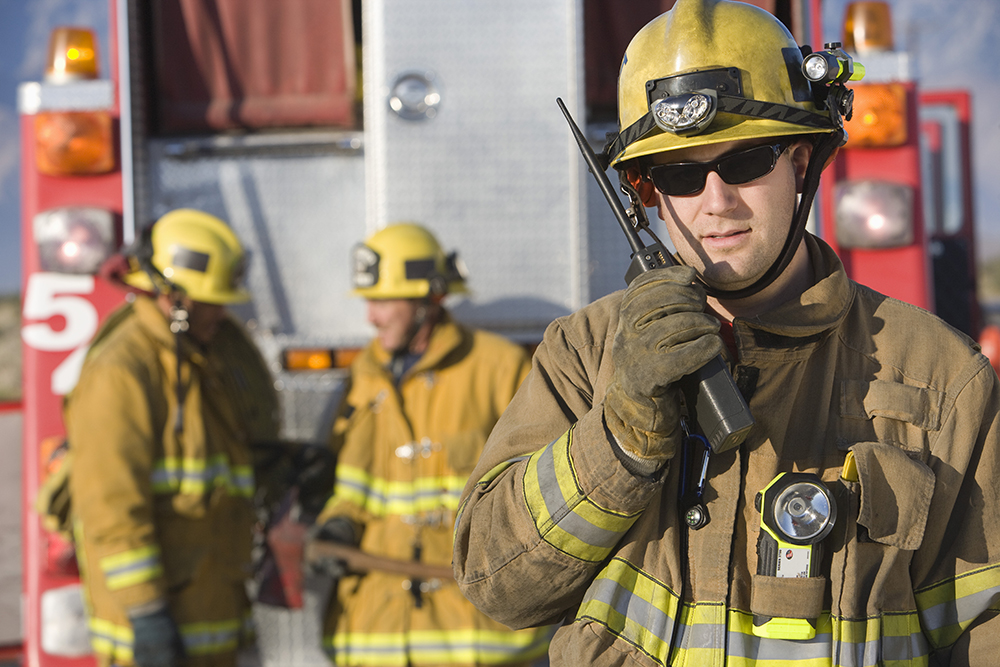
Firefighter using walkie talkie
High-risk work environments require specialized strategies to ensure the safety and well-being of employees. One of the most critical components of workplace safety in these settings is the implementation of effective Emergency communication tools. These tools provide immediate channels for alerting personnel about potential hazards, accidents, or critical operational updates. Companies operating in industries such as construction, mining, chemical plants, and offshore operations cannot afford delays or miscommunication during emergencies.
The Importance of Emergency Communication Tools
Emergency communication tools play a pivotal role in preventing workplace injuries and saving lives. High-risk environments are inherently unpredictable, and the ability to transmit accurate information quickly is crucial. Traditional methods like verbal communication or paper-based alerts are insufficient in such settings. Modern emergency communication tools provide instant notifications, location tracking, and real-time updates, ensuring that employees receive the information they need to act promptly.
Types of Emergency Communication Tools
There are several types of emergency communication tools available today, each designed to meet specific workplace requirements. These include two-way radios, mobile communication apps, mass notification systems, wearable alert devices, and cloud-based communication platforms. Two-way radios are particularly effective in environments where mobile networks are unreliable, while mobile apps provide flexible solutions for real-time messaging and emergency alerts. Mass notification systems can send simultaneous alerts to large groups, ensuring that everyone receives the necessary information immediately. Wearable devices often include panic buttons and GPS tracking, adding an extra layer of safety for employees in isolated or hazardous locations.
Key Features to Consider in Emergency Communication Tools
When selecting emergency communication tools for high-risk work environments, companies should consider features that enhance both speed and reliability. These features include real-time alerts, automated notifications, GPS location tracking, integration with existing safety systems, and fail-safe communication channels. Real-time alerts ensure that employees are informed immediately when a dangerous situation arises. Automated notifications reduce human error by sending pre-programmed alerts during emergencies. GPS location tracking is essential for locating employees in large or remote work sites, while integration with existing safety systems ensures a seamless flow of information. Fail-safe communication channels guarantee that messages are delivered even if one system fails.
Benefits of Implementing Emergency Communication Tools
The benefits of implementing emergency communication tools in high-risk work environments are substantial. First and foremost, these tools enhance workplace safety by reducing response times during emergencies. They also improve coordination among employees and management, enabling faster decision-making in critical situations. Additionally, emergency communication tools help companies comply with safety regulations and industry standards, minimizing legal liabilities. Another significant advantage is the ability to analyze communication data to identify patterns, assess risks, and improve safety protocols over time.
Challenges in High-Risk Work Environments
High-risk work environments present unique challenges that can affect the effectiveness of emergency communication tools. Factors such as harsh weather conditions, extreme noise, hazardous materials, and remote locations can hinder communication. Selecting tools that are durable, reliable, and adaptable is essential to overcome these challenges. Training employees on how to use emergency communication tools effectively is equally important, as even the most advanced systems are only useful when users understand how to operate them correctly.
Best Practices for Using Emergency Communication Tools
To maximize the effectiveness of emergency communication tools, organizations should adopt a set of best practices. Regular testing and maintenance of communication devices are essential to ensure reliability. Employees should receive comprehensive training on how to respond to different types of alerts. Companies should also establish clear protocols for reporting emergencies and ensure that all personnel are aware of these procedures. Integrating multiple communication tools into a unified system can further enhance efficiency by providing redundancy and multiple channels for delivering alerts.
Future Trends in Emergency Communication Tools
The landscape of emergency communication tools continues to evolve with advances in technology. Artificial intelligence, machine learning, and Internet of Things (IoT) devices are increasingly being integrated into safety systems to provide predictive alerts and proactive risk management. Cloud-based platforms allow for seamless updates and centralized monitoring, improving coordination across multiple work sites. Additionally, wearable technology is becoming more sophisticated, offering real-time health monitoring and environmental detection to further protect employees. Organizations that adopt these advanced tools will be better positioned to manage risks and respond effectively to emergencies.
Conclusion
Emergency communication tools are essential for ensuring safety in high-risk work environments. Their ability to deliver real-time alerts, facilitate rapid coordination, and integrate with existing safety systems makes them indispensable for industries where hazards are ever-present. By carefully selecting the right tools, training employees effectively, and adopting best practices, companies can minimize risks and protect their workforce. As technology continues to advance, the effectiveness of emergency communication tools will only increase, offering new opportunities to enhance workplace safety and operational efficiency.