Essential Guide to Effective Construction Site Safety Strategies
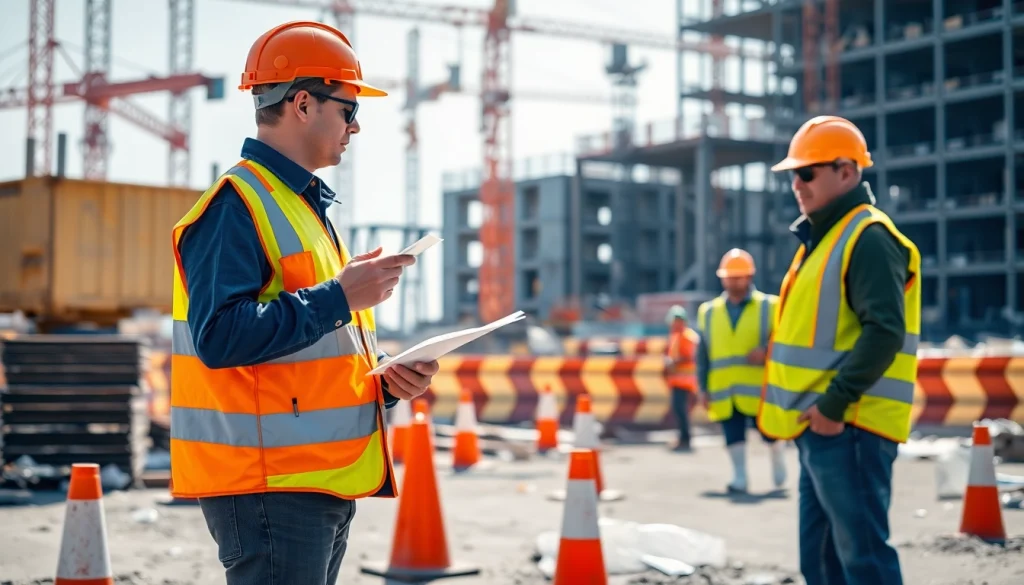
Understanding Construction Site Safety
What is Construction Site Safety?
Construction site safety encompasses the guidelines, protocols, and practices intended to ensure the well-being and protection of workers, visitors, and the public on construction sites. It is a crucial aspect of the construction industry, where hazards such as falls, equipment failures, and toxic substances are commonplace. By establishing robust safety measures, the risk of accidents can be significantly reduced, safeguarding both human life and assets.
Importance of Construction Site Safety
The importance of construction site safety cannot be overstated. A safe work environment leads to improved worker morale, greater productivity, and lower injury rates. Businesses that prioritize safety can also enjoy benefits such as reduced insurance premiums and liability claims. Furthermore, a strong safety record can enhance a company’s reputation, attracting better talent and more lucrative contracts. Ultimately, prioritizing construction site safety saves lives and strengthens businesses by fostering a culture of responsibility and care.
Common Safety Hazards on Construction Sites
Construction sites pose numerous hazards, making safety protocols vital. Some of the most common safety risks include:
- Falls: Often resulting from improper use of ladders, scaffolding, or unguarded edges.
- Electrical Hazards: Risks from exposed wiring, overhead power lines, or faulty equipment.
- Struck-By Incidents: Workers being hit by falling objects or moving machinery.
- Equipment Failures: Breakdowns or improper operation of tools and machinery can lead to severe injuries.
- Toxic Substances: Exposure to hazardous materials like asbestos, lead, or chemicals.
Key Regulations and Standards
Overview of Safety Regulations
Construction safety regulations are designed to protect workers from site-specific hazards. These regulations are often established by government agencies and followed by companies across the globe. In many regions, compliance with these standards is mandatory, serving as a baseline for safe operations. Understanding these regulations allows organizations to create a culture of safety while minimizing legal and financial risks.
Compliance with OSHA Standards
The Occupational Safety and Health Administration (OSHA) sets and enforces standards to ensure safe working conditions in the United States. Compliance with OSHA standards helps reduce the risk of workplace injuries and illnesses. Depending on the specific operations, construction companies are required to adhere to a range of regulations—catering to aspects like hazardous materials handling, equipment use, and personal protective equipment (PPE) provision. Regular updates and training can reinforce adherence to these standards.
International Safety Standards
In addition to local regulations, international standards help promote a consistent approach to safety in the construction industry worldwide. Organizations like the International Organization for Standardization (ISO) provide comprehensive frameworks for managing safety and health risks. Compliance with ISO 45001, for instance, assists organizations in improving their safety management systems, ultimately striving for fewer workplace incidents.
Implementing Safety Protocols
Developing a Safety Plan
A well-structured safety plan is the foundation of a successful safety program on construction sites. This plan should include detailed risk assessments, emergency response procedures, and specific protocols tailored to the unique hazards of the site. Implementing the plan requires clear communication with workers and management, with opportunities for feedback and learning. Engaging all team members in the safety planning process fosters a culture of awareness and accountability.
Training Workers Effectively
Effective training is crucial for mitigating risks associated with construction site safety. Regular training sessions should cover safe practices, equipment usage, and emergency response procedures. Innovative training approaches, like simulations and hands-on activities, can enhance retention and understanding. Additionally, refresher courses are essential and should be scheduled periodically to keep safety practices top of mind.
Using Safety Equipment Properly
The selection and proper use of personal protective equipment (PPE) are essential components of construction site safety. Employers should ensure that workers are equipped with appropriate PPE, such as helmets, gloves, eye protection, and high-visibility clothing. Training on the correct usage of this equipment must be part of the safety protocol to minimize risk. Regular inspections of safety gear can also ensure they remain functional and effective during operations.
Monitoring and Evaluating Safety Measures
Conducting Safety Audits
Regular safety audits are critical for evaluating the effectiveness of safety protocols and practices on construction sites. These audits should assess compliance with safety regulations and identify areas for improvement. Engaging third-party inspectors can provide unbiased insights, and the findings from audits should lead to concrete action plans for enhancing safety performance. Continuous monitoring allows teams to proactively address potential hazards before accidents occur.
Measuring Safety Performance
Measuring safety performance involves analyzing data related to incidents, near misses, and worker feedback. Performance metrics, such as incident rates or lost time injury frequency rates (LTIFR), can indicate the success of safety initiatives. Comparing performance metrics over time allows organizations to assess the effectiveness of their safety programs and make informed decisions for further improvements. Transparency in performance measures promotes accountability and encourages a team-based approach.
Adapting Safety Protocols
As construction methods and technologies evolve, safety protocols must also adapt. Regular updates to safety procedures, based on new industry standards, emerging risks, or learnings from incidents, are necessary to sustain a culture of safety. Feedback mechanisms that encourage workers to report safety concerns or suggest improvements will also facilitate the development of more effective protocols. An adaptable safety program helps organizations stay ahead of potential risks.
FAQs on Construction Site Safety
What are the primary laws governing construction site safety?
The primary laws are established by the Occupational Safety and Health Administration (OSHA) in the U.S., which sets safety and health regulations that construction sites must adhere to.
How can workers report unsafe conditions?
Workers can report unsafe conditions to their supervisors or safety officers. For anonymous complaints, they may contact OSHA or use internal reporting systems established by their companies.
What role does safety equipment play?
Safety equipment, including personal protective equipment (PPE), plays a crucial role in minimizing the risk of injuries on construction sites, safeguarding workers from various hazards.
How often should safety training be conducted?
Safety training should be conducted during onboarding and refresher sessions every few months or whenever new equipment, procedures, or regulations are introduced.
What are the common consequences of ignoring safety protocols?
Ignoring safety protocols can lead to serious accidents, legal liabilities, increased insurance costs, and damage to a company’s reputation, potentially resulting in loss of contracts or workforce.