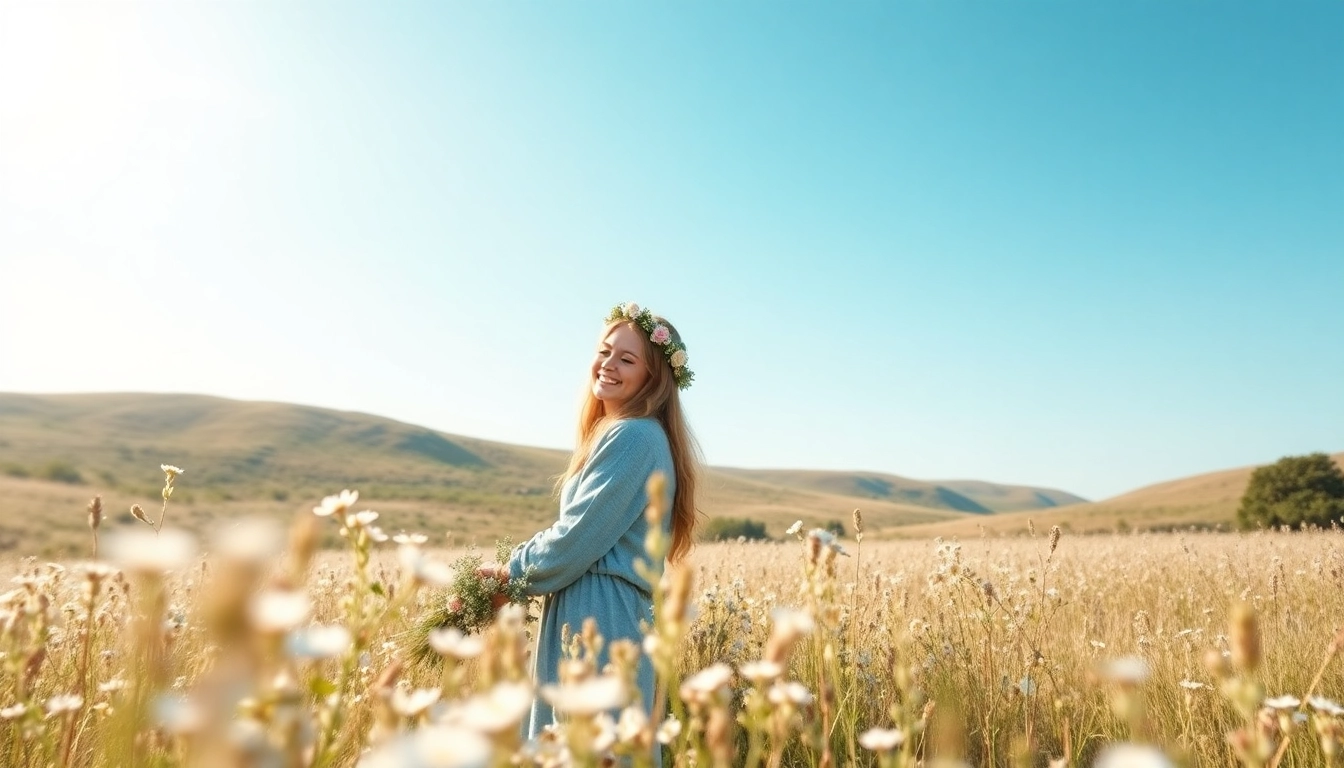
Understanding Light & Airy Photography
What Defines Light & Airy Photography?
Light & airy photography represents a specific aesthetic that emphasizes bright, soft tones and a sense of openness. Characterized by ample whites and pastels, the style invokes feelings of freshness and a gentle emotional impact. This photographic approach is popular in various genres, such as portrait, product, and wedding photography, as it showcases subjects with a flattering, soft touch, creating an inviting ambiance. It captures moments in a way that they feel both lighthearted and serene, making it an appealing choice for many photographers. Successful Light & airy photography utilizes these elements to evoke emotion and connection with the viewer.
The Importance of Natural Lighting
Natural light plays a vital role in achieving the light & airy aesthetic. Shooting outdoors, particularly during the golden hour—when the sun is low—provides that sought-after soft glow. This timing allows the sunlight to wrap around your subjects, reducing harsh shadows and yielding a vibrant, warm illumination. Photographers often shield their subjects with soft, diffused shade, further enhancing this effect. Furthermore, understanding the sun's positioning throughout the day enables photographers to maximize their image quality and maintain the airy appeal of their photos.
Key Characteristics of Effective Light & Airy Images
Several defining traits distinguish light & airy images. These often include the following:
- Bright Color Palette: Soft pastels, whites, and light neutrals create that signature airy feel.
- Minimal Shadows: Overexposure is often preferred to avoid harsh contrasts.
- Calm Compositions: Clean backgrounds and uncluttered frames maintain focus on the subjects.
- Soft Textures: Using materials that evoke softness, like lace or light fabrics, enhances the aesthetic.
Combining these traits effectively results in captivating images that transport viewers to a serene place, adding to the emotional depth of the shots.
Equipment Essentials for Light & Airy Photography
Choosing the Right Camera and Lens
The choice of camera and lens profoundly impacts the outcomes in light & airy photography. A DSLR or mirrorless camera with a full-frame sensor captures high-quality images, offering better light sensitivity. Equally critical is the lens selection; prime lenses with wide apertures, such as 50mm f/1.8 or 85mm f/1.4, allow for a shallow depth of field. This feature isolates subjects beautifully, creating soft backgrounds that support the light & airy aesthetic.
Useful Accessories for Optimal Shots
In addition to the camera and lens, it's essential to equip yourself with accessories that enhance the shooting experience. A sturdy tripod ensures stability when dealing with lower light conditions, while reflectors can bounce light and fill in shadows, maintaining that signature brightness. A good-quality UV filter protects your lens and reduces flare, which can detract from the clean elegance typical of the light & airy style.
Editing Tools to Enhance Light & Airy Styles
Even with the best equipment, post-processing is crucial to achieving the ideal light & airy effect. Software like Adobe Lightroom and Photoshop allows for precise adjustments. Start by enhancing exposure, playing with contrast to keep shadows subtle while brightening highlights. The use of split toning can add warm hues to highlights while cooling down shadows, achieving a balanced finish that encapsulates the light & airy vibe. Remember to apply gentle sharpening and noise reduction to preserve the soft qualities of the image.
Techniques to Achieve the Light & Airy Aesthetic
Mastering Composition and Angles
Composition is pivotal in achieving the light & airy look. Photographers should adhere to the rule of thirds, placing subjects slightly off-center for a dynamic arrangement. Additionally, using leading lines and natural frames—like doorways or branches—can guide the viewer's eye and maintain interest. Angles play a crucial role as well; shooting from a higher vantage point can provide a sense of openness and depth.
Employing Soft Focus and Shallow Depth of Field
A shallow depth of field is critical for isolating subjects and rendering backgrounds soft. By utilizing a wide aperture, photographers can achieve bokeh effects that enhance the overall softness of the image. Soft focus techniques, via specific filters or post-processing, can further add to this aesthetic, lending images a dreamy quality.
Choosing Ideal Locations and Settings
Picking the right location is fundamental in light & airy photography. Seek out locations that offer diffused natural light, such as open fields or gardens, that complement the soft aesthetic. Neutral backgrounds, like white walls or green foliage, allow subjects to pop while ensuring the overall image remains airy and bright. Additionally, avoiding cluttered or dark environments prevents visual noise, which can detract from the overall beauty of the photograph.
Common Challenges in Light & Airy Photography
Dealing with Overexposure and Lighting Conditions
Achieving the light & airy look can lead to challenges, such as overexposure. Photographers must fine-tune their exposure settings carefully, particularly in bright sunlight. Utilize exposure compensation techniques and check for blown highlights in your histogram. Using a lens hood can also reduce unwanted flare and ensure your images maintain their airy quality.
How to Handle Different Skin Tones
Different skin tones can present challenges when aiming for a light & airy aesthetic. Ensure lighting is flattering for subjects regardless of their skin tone by incorporating fill lights or reflectors. When editing, create adjustments in skin tones to uphold lightness without losing natural vibrancy. Adjusting the hue and luminance sliders can enhance warmth without overshadowing the airy quality.
Avoiding Clutter in the Frame
Clutter can overshadow the beauty of light & airy photography, leading to visual confusion. When scouting locations, pay attention to the background and surrounding elements, ensuring they don’t distract from the subject. Use techniques like shooting at a wider aperture to blur out unnecessary details and focus attention where it belongs—on the subject.
FAQs about Light & Airy Photography
What is the best time to shoot for light & airy photography?
Shooting during golden hour, an hour after sunrise or before sunset, often results in the most flattering light, enhancing softness and brightness in images.
Can I achieve a light & airy look with any camera?
Yes, even smartphones can achieve a light & airy effect with the right settings, composition, and editing techniques, making it accessible to everyone.
What editing software is best for light & airy photography?
Adobe Lightroom and Photoshop are popular choices, offering numerous tools to enhance brightness, contrast, and color balance while maintaining a light & airy style.
How do I choose the right location for my shoot?
Look for locations with abundant natural light, soft colors, and minimal distractions for the best results in light & airy photography.
Can light & airy photography work for all genres?
While it is popularly used in portraits, the light & airy style can enhance landscapes, weddings, and lifestyle photography, broadening its appeal significantly.