Understanding Loyalty Programs: The Basics
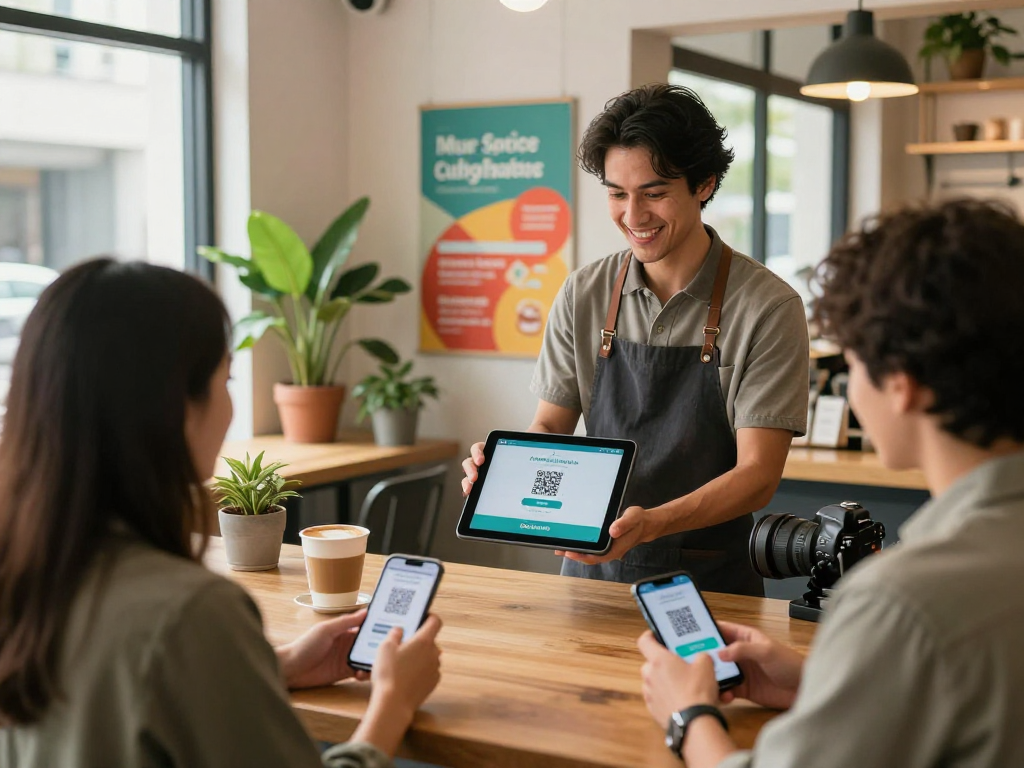
Loyalty programs have become an essential tool for small businesses looking to enhance customer retention and engagement. In a marketplace that's growing increasingly competitive, implementing an effective loyalty program can be the differentiating factor that keeps customers returning. These modern systems are designed not only to reward frequent purchasers but also to foster a sense of community and connection between the business and its clientele. By leveraging technology, like QR codes, small businesses can now create seamless experiences that do not require complex point-of-sale systems. When exploring options, loyalty programs can be tailored to meet the specific needs of your firm and its customers.
What is a Loyalty Program?
A loyalty program is a marketing strategy that rewards customers for their repeated business, encouraging them to return and create a habit of purchasing from the same brand. Typically, these programs operate by offering points, discounts, or special offers based on the frequency or volume of purchases. As businesses grow increasingly aware of the costs associated with acquiring new customers, loyalty programs serve as effective tools for maintaining and strengthening existing relationships.
Why Loyalty Matters for Small Businesses
Customer loyalty is critical for small businesses. It costs five times more to acquire a new customer than to retain an existing one, highlighting the economic importance of loyalty programs. Engaged customers are also likely to spend more; studies suggest that loyal customers are worth up to ten times as much as their first purchase. Additionally, satisfied customers often become brand advocates, providing valuable word-of-mouth marketing that can drive new clientele to your business.
Different Types of Loyalty Programs
When considering which type of loyalty program to implement, it’s essential to understand the various structures available:
- Point-Based Programs: Customers earn points for every purchase made, which can be redeemed for rewards.
- Tiered Programs: Customers progress through levels based on their spending, receiving better rewards at higher tiers.
- Cashback Programs: Customers earn a percentage of their spending back in the form of credits for future purchases.
- Referral Programs: Customers earn rewards for referring new customers to the business.
- Stamps or Punch Cards: Often used in restaurants and cafes, customers receive stamps for each visit or purchase, redeemable for rewards after a set threshold.
Setting Up Your Loyalty Program
Creating an effective loyalty program may seem daunting, but with the right approach, it can be implemented quickly and effectively. The landscape is more dynamic than ever, and businesses can now utilize digital loyalty applications that streamline the process.
Choosing the Right Structure for Your Business
The first step in setting up a loyalty program is determining which structure aligns best with your business model and customer preferences. Consider factors such as:
- Your average customer transaction value and frequency.
- Your target audience demographics and their shopping behaviors.
- The type of rewards that would resonate most with your clientele.
Conducting surveys or gathering customer feedback can provide valuable insight into what type of rewards your customers would find appealing.
Key Features of an Effective Loyalty System
For a loyalty program to be successful, it should include the following features:
- Ease of Use: Customers should find the process simple and rewarding, from signing up to redemption.
- Automation: The system should automatically manage points, rewards, and communications, requiring minimal manual input.
- Customizability: The ability to tailor rewards and recognition mechanisms based on customer behavior and preferences.
- Analytics: Tools that enable tracking customer behavior and program effectiveness for continuous improvement.
Onboarding Customers to Your Loyalty Program
Implementing a loyalty program should begin with a robust onboarding process that eases customers into using the program. Ensure that the sign-up procedure is quick and uncomplicated, potentially integrating it into the customer’s existing purchasing habits. Utilizing digital platforms like BonusQR can simplify this process by allowing customers to quickly sign up using their mobile devices.
Maximizing Customer Engagement and Retention
Once your loyalty program is launched, the next step is to maintain engagement with your customers to encourage repeat visits and purchases. This involves a mix of rewards, communications, and personalized incentives tailored to your audience.
Strategies to Increase Customer Visits and Loyalty
To keep your customers engaged, consider the following strategies:
- Regular Communication: Use automated emails or push notifications to remind customers of their points balance, upcoming rewards, or exclusive offers.
- Personalized Offers: Leverage customer data to create targeted promotions that feel tailored and relevant.
- Social Media Engagement: Use social channels to highlight customer success stories and testimonials regarding your loyalty program.
- Exclusive Events: Host events or promotions exclusively for loyalty program members to foster a sense of community.
Using Data to Personalize Customer Experiences
Data collection is central to understanding your customers' preferences and behaviors. By analyzing purchase trends and program engagement, you can adjust your offerings to better meet the needs of your audience. A well-designed loyalty application, like BonusQR, can provide you with the insights necessary to refine your strategy continually.
Common Mistakes to Avoid When Implementing Loyalty
Many businesses make common pitfalls when implementing loyalty programs. Avoid:
- Overcomplicating the Program: Customers should find the rewards easy to understand and achieve.
- Neglecting Customer Feedback: Not taking customer feedback into account can lead to a misalignment of expectations and offerings.
- Inconsistent Messaging: Ensure that all communications regarding the program are clear, consistent, and continually maintained.
Measuring Success and Performance Metrics
Once your loyalty program is up and running, it's vital to evaluate its success regularly. This evaluation allows for necessary adjustments and improvements to ensure the program continues to meet its objectives.
Key Metrics to Evaluate Loyalty Program Effectiveness
Consider measuring the following metrics to assess your loyalty program:
- Customer Retention Rate: Tracks how many customers return after their initial purchase.
- Cost per Acquisition (CPA): Evaluates how much you spend on acquiring new loyal customers.
- Average Transaction Value: Measures whether loyalty customers spend more than non-loyalty customers.
- Engagement Rate: Monitors how often customers interact with your loyalty program.
Tools for Tracking Customer Engagement
Utilizing platforms with built-in analytics, such as BonusQR, can help streamline the process of collecting and interpreting data. These tools can provide dashboards and reports to monitor performance metrics effectively, allowing you to make informed decisions.
Adjusting Your Strategy Based on Feedback
Customer feedback can provide invaluable insights into what aspects of your loyalty program are working and what aren't. Regular surveys and feedback forms can help identify areas for improvement, ensuring that your program remains relevant and appealing to your customer base.
Future Trends in Loyalty Programs for 2026
As the landscape of consumer behavior continues to evolve, so too must the strategies businesses employ to maintain customer loyalty. Understanding emerging trends will help your loyalty program stay ahead of the curve.
Emerging Technologies Influencing Loyalty
Technological advancements such as AI and machine learning are reshaping the way businesses approach loyalty programs. These technologies enable businesses to deliver hyper-personalized experiences that can significantly enhance customer satisfaction.
Adapting to Consumer Behavior Changes
As consumer preferences change, businesses must be agile in their approach to loyalty. This includes offering a variety of rewards that cater to both emotional and rational drivers, such as exclusive experiences or tangible savings.
Innovative Loyalty Program Examples to Inspire
Many brands are pushing the envelope with their loyalty programs. For instance, brands like Starbucks and Sephora have effectively integrated gamification into their loyalty initiatives, fostering engagement through rewards and challenges.
What are the benefits of digital loyalty cards?
Digital loyalty cards streamline the process of managing customer rewards, making it easy for businesses to keep track of customer activity and for customers to redeem rewards effortlessly. Compared to traditional paper loyalty cards, digital alternatives often offer more robust tracking features, instant notifications, and flexible reward systems.
How can I promote my loyalty program effectively?
Promotion of your loyalty program can be simplified by leveraging multiple channels, including social media, email marketing, and in-store promotions. Regularly sharing success stories and showcasing rewards can motivate new customers to join while encouraging existing customers to engage more deeply.
What types of rewards resonate most with customers?
Rewards should vary based on your customer demographic, but popular options include discounts, exclusive offers, special event invitations, and personalized gifts. Understanding your customers’ preferences can help in crafting rewards that resonate and encourage participation.
How do I ensure GDPR compliance with my loyalty program?
To ensure GDPR compliance, it’s vital to obtain explicit consent from customers before collecting personal data. Transparency about how their data will be used and secure data protocols are essential components of maintaining trust and compliance.
What are the best platforms for building a loyalty app?
Platforms like BonusQR provide businesses with the tools necessary to build and customize their loyalty apps effectively. For more information, loyalty offers valuable insights. Look for solutions that offer comprehensive features, analytics, and user-friendly interfaces to maximize customer engagement.