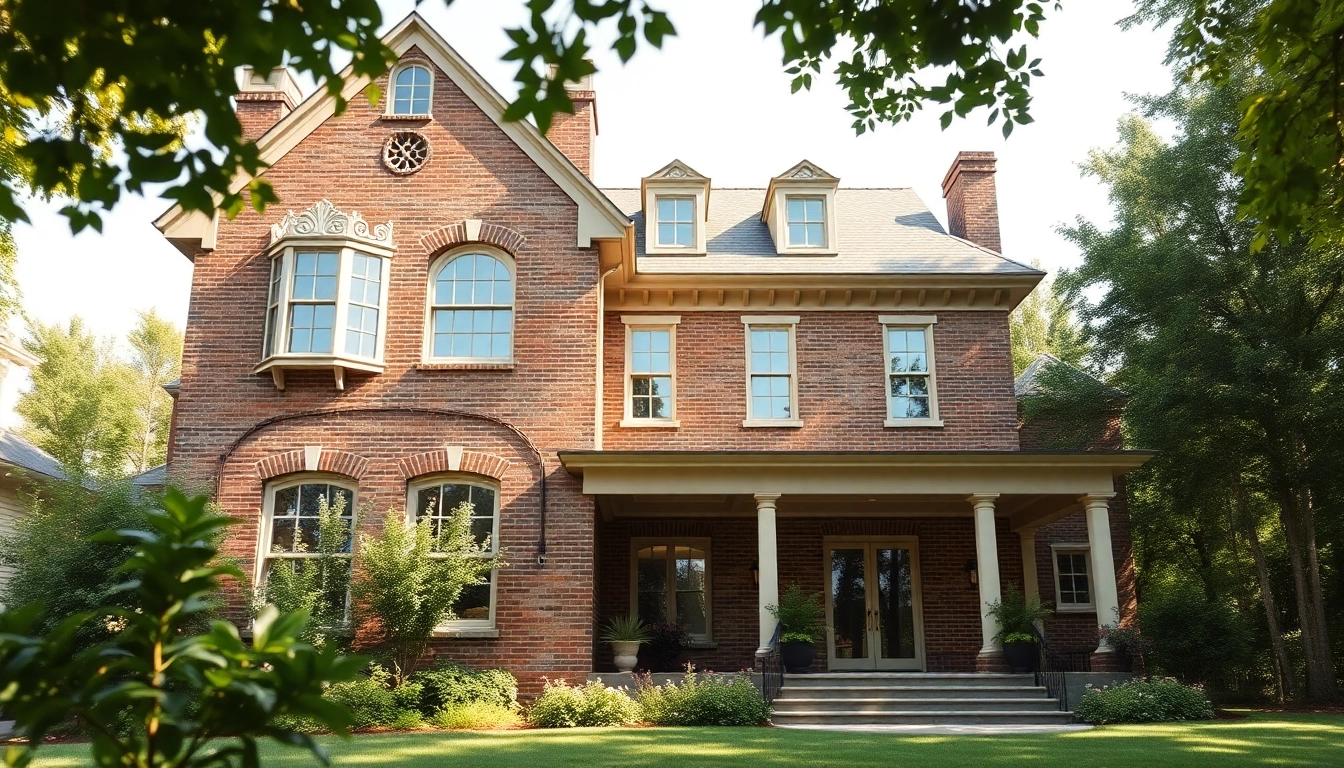
Understanding Historic Home Addition Concepts
What Defines a Historic Home Addition?
A Historic Home Addition refers to an expansion or modification made to a house that is recognized for its historical significance. These projects must adhere to stringent guidelines aimed at preserving the character and craftsmanship of the original structure while allowing homeowners to integrate modern amenities. Key features typically include maintaining architectural consistency, respecting historical proportions, and enhancing organization without compromising structural integrity.
Importance of Preservation and Modernization
Historic home additions serve a dual purpose—preservation and modernization. While they uphold the intricate designs and cultural narratives of the past, they also invite contemporary comforts that promote usability. Balancing these objectives not only enhances living conditions but also protects the home’s historical essence for future generations. Modern methods, such as energy-efficient systems and smart technologies, can be seamlessly incorporated, providing advantages without disrupting the home’s integrity.
Common Architectural Styles in Historic Home Additions
When embarking on a historic home addition, it’s crucial to recognize and respect the architectural style of the original structure. Common styles include Colonial, Victorian, Craftsman, and Mid-Century Modern, each with unique characteristics that must be honored. For example, a Victorian home may require elaborate detailing and period-appropriate materials, while a Craftsman addition could emphasize simplicity with natural materials and exposed beams. Understanding these nuances ensures that the new addition harmonizes with its historical counterpart.
Planning Your Historic Home Addition
Researching Local Regulations and Guidelines
Before initiating a historic home addition project, homeowners must investigate local regulations concerning historic preservation. Often, municipalities establish guidelines that dictate the types of materials, designs, and features permissible in additions. Consulting local historic preservation agencies can provide clarity on these rules, ensuring that the project aligns with legal requirements. This foundational step not only prevents potential legal pitfalls but also fosters community support and enhances the project’s credibility.
Assessing Your Home's Structure and Integrity
Conducting a thorough assessment of the existing structure is critical in planning a historic home addition. Homeowners should engage professionals to evaluate the home’s foundation, roof, walls, and overall integrity. Issues such as moisture damage, structural weaknesses, or previous alterations can impact the feasibility and design of the addition. A sound structural assessment helps to create a clear and realistic project scope, allowing for informed decisions regarding the addition’s size and complexity.
Creating a Vision for Your New Space
With a solid understanding of regulations and structural integrity, the next step is crafting a vision for the new space. This involves reflecting on how the additional square footage will enhance family life and meet future needs. Homeowners should consider factors such as natural light, accessibility, flow, and functionality, while also envisioning the aesthetic aspects that should harmonize with the existing historical features. Creative brainstorming sessions, sketching, or utilizing mood boards can help crystallize this vision, ensuring all stakeholders are aligned in their goals.
Design Elements to Consider
Blending Old and New Architectural Features
Successful historic home additions incorporate elements from both the original structure and the new design, achieving a cohesive aesthetic. This may involve matching window and door styles, mimicking roof lines, or replicating decorative trim. However, subtle contrasts can also enrich the design; for instance, using modern materials in a way that still respects traditional lines can provide depth without clashing. Innovative approaches like integrating energy-efficient windows disguised as historic replicas can represent a perfect blend of old and new.
Choosing Materials that Complement Existing Structures
The choice of materials is one of the most significant aspects of designing a historic home addition. Materials should reflect the original structure's integrity and character. For example, a brick historic home addition may require similar brick patterns and finishes to create visual continuity. Sustainability should also be considered; utilizing reclaimed materials not only honors the past but can also be environmentally friendly. Collaborating with architects or designers well-versed in historic restoration can help identify appropriate materials for your specific addition.
Color Schemes and Aesthetic Cohesion
A cohesive color scheme is vital in achieving harmony between the historic and contemporary aspects of your home. Homeowners should consider the existing color palette and how the addition’s colors will complement or contrast with the original structure. Utilizing historic paint colors can enhance authenticity while subtle modern tones can add depth. Choosing colors in moderation can ensure the integration appears well-thought-out rather than disjointed. A professional color consultant can provide invaluable advice on achieving a tasteful balance.
Finding the Right Professionals for Your Project
Hiring an Architect Specializing in Historic Home Additions
Finding the right architect is crucial for the success of a historic home addition. Look for professionals who specialize in preservation and have a robust portfolio demonstrating their capabilities in blending historic and modern designs. They should be able to navigate the regulatory landscape and provide insightful suggestions that prioritize both aesthetics and functionality. Aligning with an architect who understands your vision can significantly enhance the project's overall outcome.
Working with Skilled Contractors and Craftsmen
Beyond architects, hiring experienced contractors and craftsmen is critical to executing historic home additions successfully. These professionals should possess expertise in restoration techniques and familiarity with materials befitting the original home. Investing in skilled artisans can lead to high-quality workmanship that respects the original craftsmanship while employing modern construction methods. Effective collaboration between architects and contractors ensures adherence to design plans and construction timelines.
Understanding Project Management and Communication
Effective project management and ongoing communication are fundamental components in any historic home addition project. Homeowners should establish clear lines of communication with all parties involved from the outset. Regular meetings, project updates, and a shared online platform can help track progress and address challenges early on. Implementing a comprehensive timeline with established milestones ensures that the project stays on schedule and within budget, minimizing stress during the construction phase.
FAQs about Historic Home Addition Projects
What should I consider before starting a historic home addition?
Before starting, research local regulations, assess structural integrity, and develop a clear vision for the new space that harmonizes with the existing home.
How can I maintain the historical integrity of my home during renovations?
Maintain historical integrity by using compatible materials, preserving architectural styles, and hiring professionals experienced in historic preservation techniques.
Are there specific materials I should avoid?
Avoid modern materials that contrast sharply with the historic structure, such as synthetic siding or non-matching window styles that disrupt aesthetic cohesion.
How long does a historic home addition typically take?
The timeline varies based on the size and complexity of the project, but typical renovations may take several months to over a year, depending on approvals and historical guidelines.
Do I need special permits for a historic home addition?
Yes, special permits are typically required for historic home additions to ensure compliance with preservation regulations. Always check with local authorities before starting work.