Understanding Wood Panels for Ceilings
What Are Wood Panels?
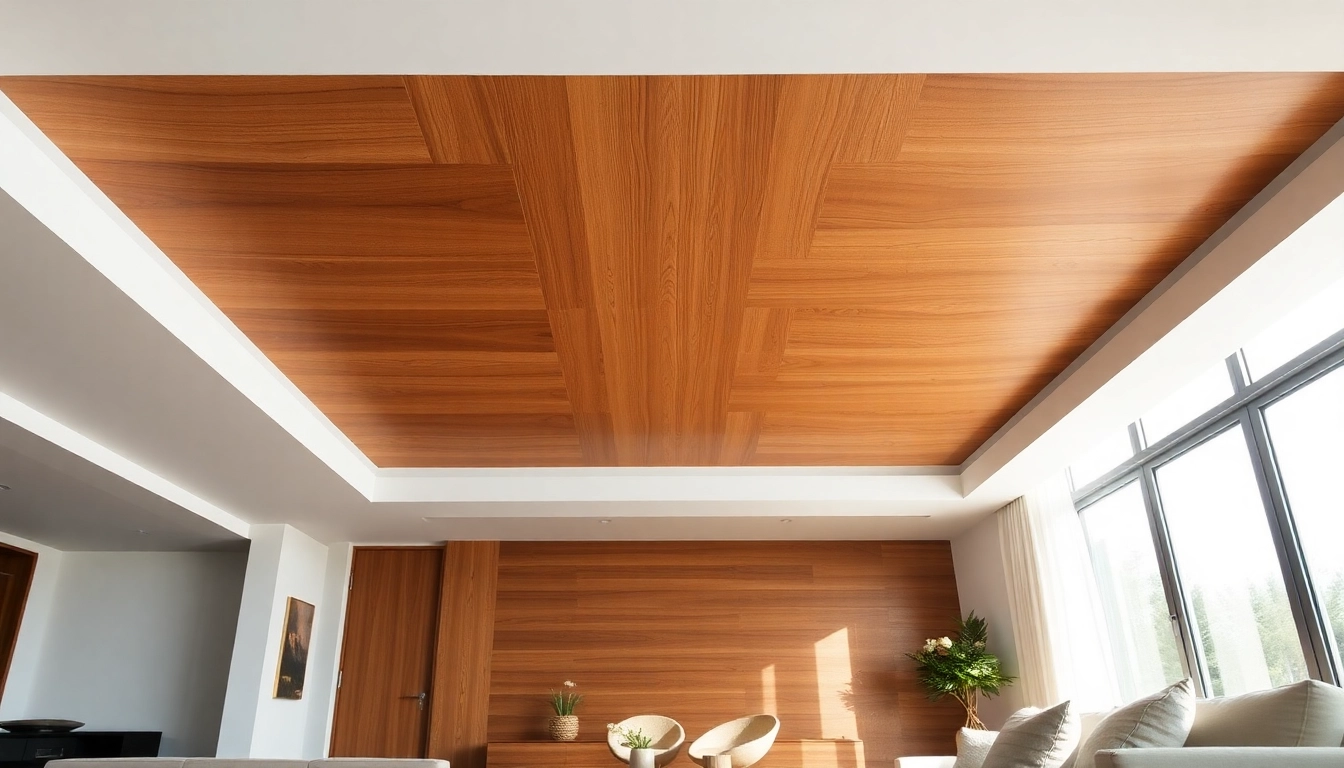
Wood panels are flat, thin pieces made from timber that are utilized in various construction and design applications, including ceilings. These panels come in different styles, finishes, and sizes, providing versatility and adaptability for many interior design themes. Often made from hardwoods and softwoods, they can be crafted into planks or sheets, making them suitable for covering not just ceilings but also walls and floors.
Benefits of Using Wood Panels for Ceilings
Opting for wood panels for ceilings offers numerous advantages:
- Aesthetic Appeal: Wood panels bring a warm, natural look to interiors, enhancing the overall aesthetics of a space.
- Sound Insulation: Wood naturally absorbs sound, making it an excellent choice for rooms where noise reduction is essential.
- Durability: High-quality wood panels can withstand wear and tear, providing long-lasting solutions for ceilings.
- Easy to Install: Many wood panels have simple installation frameworks, making them accessible for DIY enthusiasts.
- Versatility: Available in various styles, colors, and finishes, they can fit into diverse design themes from rustic to modern.
Types of Wood Panels Available
When considering wood panels for ceilings, it's essential to understand the different types available:
- Plywood: Constructed from multiple layers of wood veneer, plywood is strong, versatile, and often used in residential applications.
- Solid Wood Panels: Made from a single piece of timber, these panels offer a high-end aesthetic and durability but can be more expensive.
- Engineered Wood: This type combines wood fibers, adhesives, and other materials, resulting in a stable product that resists warping.
- Beadboard: Featuring a series of narrow, vertical planks, beadboard adds a classic, traditional look to any ceiling.
- Shiplap: Known for its overlapping design, shiplap can create a modern or rustic look depending on the finish applied.
Choosing the Right Wood Panels for Ceilings
Factors to Consider Before Selection
Selecting the appropriate wood panels for ceilings requires careful consideration of several factors:
- Room Function: Consider the function of the space. For noisy environments, prioritize sound-absorbing panels.
- Climate: In humid areas, choose treated or engineered wood to avoid warping.
- Budget: Determine how much you can spend on materials and installation.
- Maintenance: Different wood types require various levels of care; assess how much maintenance you are willing to undertake.
Design Styles and Aesthetic Appeal
Your choice of wood panels should align with the overall design theme of your interior space. Here are some popular styles:
- Rustic: Opt for reclaimed wood panels or those with a rough finish for a farmhouse feel.
- Modern: Choose sleek, engineered wood with a minimalist design for contemporary settings.
- Traditional: Classic beadboarding or ornately designed panels can create a timeless look.
- Eclectic: Combine different wood types or finishes for a unique and personalized ceiling design.
Wood Panel Sizes and Dimensions
Wood panels come in various sizes to accommodate different ceiling heights and designs. It's vital to measure your ceiling correctly and consider standard panel dimensions (e.g., 4'x8' sheets or planks that are 6-12 inches wide). Larger panels can minimize seams and provide a streamlined look, while smaller panels can be used for intricate designs or patterns.
Installation Process of Wood Panels for Ceilings
Preparation Steps for Installation
Before installing wood panels, follow these key preparation steps:
- Gather Tools: Make sure you have all necessary tools, including a measuring tape, level, saw, and nail gun.
- Examine the Ceiling: Inspect your ceiling for any issues like moisture or structural damage.
- Plan Design Layout: Sketch your layout to visualize how the panels will be arranged, including any necessary cutting.
- Storage Conditions: Allow panels to acclimatize in the installation environment for 48 hours to prevent shrinking or expansion.
Tools and Materials Required
Your installation toolkit should include:
- Measuring tape
- Level
- Circular saw or miter saw
- Nail gun
- Wood adhesive
- Pencil and chalk line
- Safety equipment (gloves, goggles)
Step-by-Step Installation Guide
Follow this comprehensive guide to install wood panels on your ceiling:
- Mark the Studs: Use a stud finder to locate and mark the ceiling joists for easy attachment.
- Cut Panels to Size: Measure and cut your wood panels based on your layout plan.
- Begin Installation: Start at one edge of the room and work your way across, securing panels with a nail gun or adhesive.
- Ensure Alignment: Regularly check for level alignment and adjust as necessary.
- Continue to Install: Repeat until all panels are installed, ensuring a seamless fit.
- Finish Edges: Apply trim around the edges for a polished look.
Maintenance of Wood Panels for Ceilings
Cleaning Techniques for Longevity
Proper cleaning will prolong the life of your wood panels:
- Regular Dusting: Use a microfiber cloth or duster to remove dust and cobwebs.
- Gentle Cleaning: For deeper cleaning, use a damp cloth with mild soap; avoid harsh chemicals.
Repairing Damage or Wear
Address any signs of damage promptly:
- Scratches: Small scratches can often be concealed with a touch-up marker or wood filler.
- Water Damage: If panels show signs of moisture, identify the source and allow the area to dry thoroughly before treatment.
Protective Coatings and Treatments
Adding a protective finish can enhance durability:
- Sealing: Application of a sealer will protect your wood from moisture and stains.
- Polyurethane: A layer of polyurethane can provide additional protection against scratches and wear.
Exploring Creative Uses for Wood Panels for Ceilings
Innovative Design Ideas
Wood panels can be creatively utilized in various ways beyond standard installations:
- Geometric Patterns: Create visually stunning ceilings with alternating or diagonal panel arrangements.
- Color Treatments: Stain or paint the panels for a modern twist, adding color and personality to the space.
- Backlit Ceilings: Consider integrating LED lighting behind panels for a dramatic glow effect.
Combining with Other Materials
Wood panels can complement a variety of materials:
- Metals: Pair wood with metal accents for an industrial chic look.
- Textiles: Use fabric or acoustic panels alongside wood for enhanced comfort and noise control.
Case Studies: Successful Installations
Here are a few notable examples of wood panels for ceilings being used successfully:
- Residential Spaces: Homes incorporating wood paneling have gained warmer aesthetics while improving sound insulation.
- Commercial Projects: In cafes and restaurants, wood panels have contributed to branding by creating inviting atmospheres.
- Public Venues: The addition of wood in hotels and conference centers has enhanced ambiance while promoting comfort.
FAQs
What types of wood are best for ceilings?
Hardwoods like oak and maple are durable and aesthetically pleasing, while softer woods like pine offer a more cost-effective option.
Are wood panels easy to install?
Yes, many wood panels are designed for easy installation and can often be handled by DIY enthusiasts with proper tools.
How do I maintain my wood ceiling panels?
Regular dusting and occasional cleaning with mild soap will help maintain their appearance. Consider sealing them for extra protection.
Can wood panels be painted?
Yes, wood panels can be painted to achieve a desired aesthetic, though it's recommended to use appropriate wood paint for longevity.
Do wood panels work in humid climates?
In humid climates, select treated or engineered wood panels to mitigate the risk of warping or moisture-related issues.