Understanding Steel Structure Design
Steel structure design is a critical aspect of modern construction, bridging aesthetics and functionality with reinforced integrity. This method of design not only ensures structural durability but also provides architects and engineers with a versatile material that can adapt to various architectural styles and construction needs. By utilizing steel structure design, builders can create resilient structures capable of sustaining heavy loads and resisting environmental challenges.
The Basics of Steel Structures
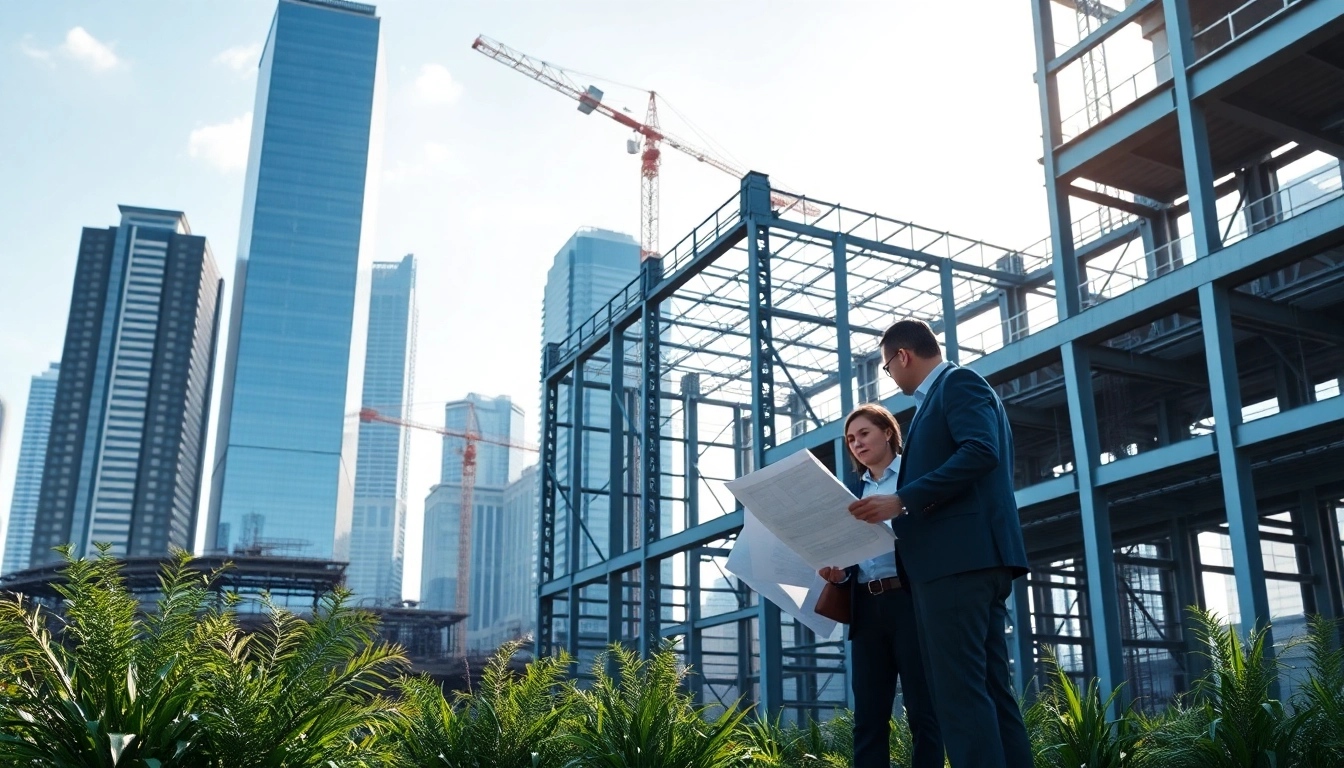
Steel structures are frameworks made predominantly from steel. They are characterized by their ability to bear significant loads and resist various forces, such as wind and seismic activity. There are several basic components of steel structure design:
- Column: Vertical structures that support beams and slabs.
- Beam: Horizontal members that carry loads from floors or roofs to columns.
- Bracing: Structural elements that enhance stability by resisting lateral loads.
- Connections: Jointing elements that link different components, ensuring overall structural integrity.
Understanding these components is fundamental for any steel structure design project, as they work together to distribute loads efficiently and maintain stability.
Applications in Construction
Steel structures find applications across various sectors, including residential, commercial, and industrial construction. Notable applications include:
- High-Rise Buildings: Utilizing steel allows for the construction of taller structures due to its superior strength-to-weight ratio.
- Bridges: Durability and flexibility in design make steel an ideal choice for bridge construction.
- Warehouses and Factories: Steel's adaptability facilitates large, open spaces necessary for manufacturing and storage.
Each application highlights the versatility of steel, which can be tailored to meet unique design requirements while maintaining efficiency in construction practices.
Advantages of Steel Over Other Materials
Steel offers several advantages compared to traditional materials like wood or concrete:
- Strength: Steel can support more load than wood or concrete of the same weight.
- Durability: Steel does not rot, warp, or split, which makes it more durable over time.
- Recyclability: Steel can be recycled multiple times without losing its properties, making it an environmentally friendly choice.
- Construction Speed: Pre-fabricated steel components can be quickly assembled on-site, reducing labor costs and construction time.
These advantages make steel a go-to choice for engineers and architects alike, paving the way for innovative and sustainable building solutions.
Key Elements of Effective Steel Structure Design
Structural Integrity and Safety Standards
Ensuring structural integrity is paramount when designing steel structures. This involves adhering to safety standards set by regulatory bodies such as the American Institute of Steel Construction (AISC) and the International Building Code (IBC). These standards dictate load capacities, material specifications, and construction techniques.
Key principles to follow for structural integrity include:
- Load Assessment: Accurately determining all potential loads (live, dead, wind, seismic) is crucial for effective design.
- Material Properties: Choosing the right type of steel based on its yield strength and ductility is essential for safe use.
- Quality Control: Regular inspections and adherence to quality standards during the fabrication and construction phases help prevent structural failures.
Design Principles for Sustainability
Sustainable steel structure design focuses on reducing environmental impact while maximizing efficiency. Key principles include:
- Energy Efficiency: Incorporating design elements that minimize energy consumption, such as passive heating and cooling systems.
- Material Optimization: Using less material without sacrificing strength by employing advanced design techniques like optimization algorithms.
- Lifecycle Assessment: Evaluating the environmental impact of materials throughout their lifecycle, from production to disposal.
By embracing these principles, architects and engineers can contribute to more sustainable construction practices.
Innovative Technologies in Steel Design
Advancements in technology are redefining how steel structures are designed and constructed. Some notable innovations include:
- BIM (Building Information Modeling): This 3D modeling technology enhances collaboration among stakeholders and improves design accuracy.
- 3D Printing: Allowing for custom steel components to be created quickly and efficiently while minimizing waste.
- Smart Materials: Incorporating materials that can respond to environmental changes, such as shape memory alloys that adapt their form over time.
These technologies not only streamline the design process but also improve the resilience and adaptability of steel structures to future demands.
Challenges in Steel Structure Design
Common Design Flaws to Avoid
While steel structure design offers numerous benefits, several common pitfalls must be avoided to ensure project success:
- Inaccurate Load Calculation: Overestimating or underestimating loads can lead to catastrophic failures.
- Poor Connection Design: Insufficient or improper connections can compromise the overall stability of the structure.
- Neglecting Environmental Factors: Failing to account for factors such as corrosion or seismic activity can result in long-term structural issues.
Ensuring meticulous attention to detail at every stage of the design process can help avert these issues.
Addressing Environmental Concerns
Steel structures, while often more resilient, can still pose environmental concerns, especially in terms of resource extraction and emissions associated with production. Addressing these concerns involves:
- Utilizing recycled steel: Source steel products made from recycled materials to reduce resource consumption.
- Reducing carbon footprints: Implementing production processes that limit energy use and greenhouse gas emissions.
- Incorporating green building practices: Using sustainable design strategies that promote the integration of natural elements and minimize environmental impact.
By taking proactive measures, engineers can design steel structures that align with environmental sustainability goals without compromising economic viability.
Cost-Effective Solutions for Steel Projects
Cost management is a critical factor in the planning and execution of steel structure projects. Here are some strategies to facilitate cost-effectiveness:
- Value Engineering: Analyze project components to identify areas where costs can be reduced without sacrificing quality.
- Bulk Procurement: Ordering materials in bulk can lead to significant savings.
- Streamlined Design Processes: Utilizing design technologies can accelerate the design phase, thus reducing labor costs.
These approaches not only enhance profitability but also support efficient use of resources—a win-win for project stakeholders.
Best Practices for Steel Structure Design Implementation
Utilizing Advanced Software and Tools
The modern steel structure design process is highly reliant on advanced software tools. Tools such as AutoCAD, Revit, and Tekla Structures provide capabilities that help in:
- 3D Modeling: Creating accurate representations of projects, enabling better visualization and understanding.
- Structural Analysis: Evaluating the performance of structures under various load conditions using simulation software.
- Documentation: Facilitating efficient generation of detailed drawings and specifications required for the construction phase.
This technological integration greatly enhances the accuracy and efficiency of structure design and implementation.
Collaboration among Stakeholders
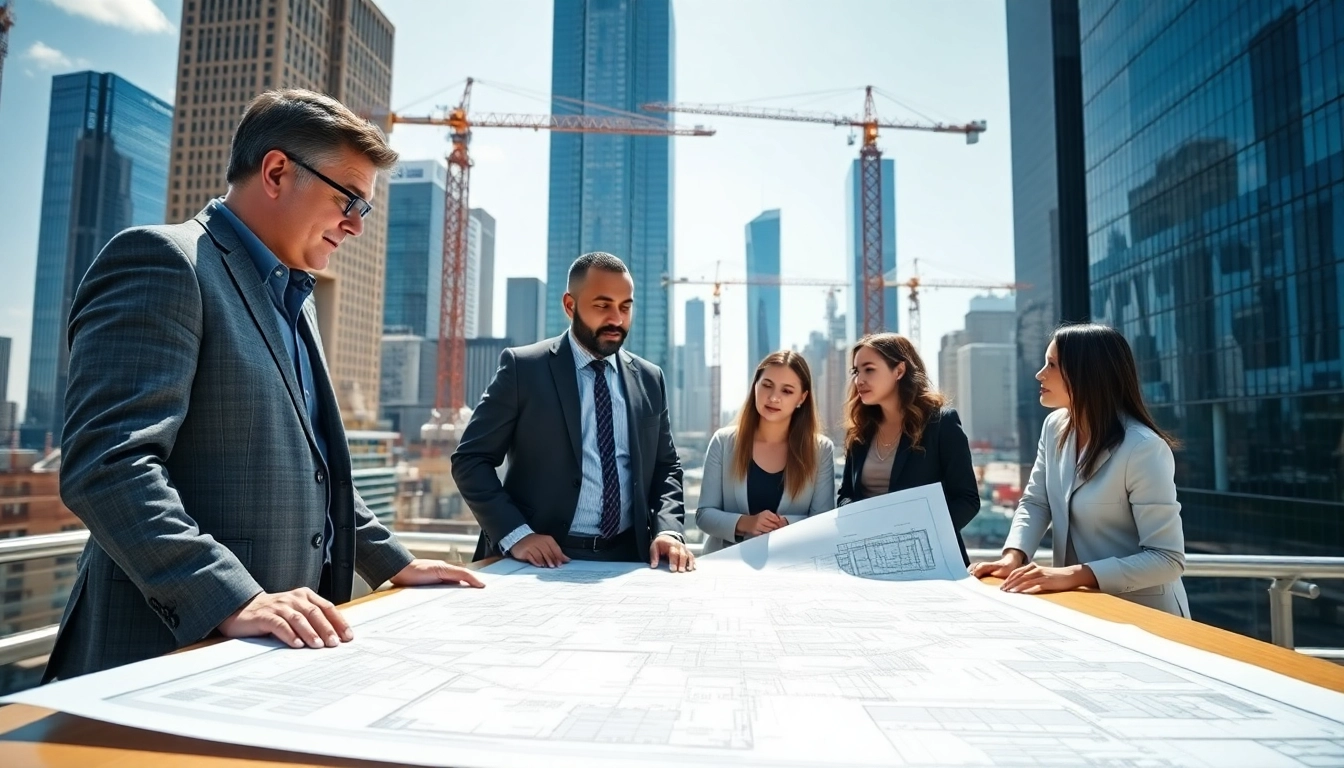
Effective collaboration among all project stakeholders—engineers, architects, contractors, and clients—is crucial for successful steel structure design projects. Best practices include:
- Establishing Clear Communication Channels: Promote open lines of communication to quickly address concerns and changes.
- Regular Meetings: Schedule periodic updates to ensure alignment on project goals and progress.
- Interdisciplinary Teams: Encourage collaboration between various experts to leverage diverse skills and perspectives.
A well-informed team is less likely to encounter misunderstandings or errors during the design and construction phases.
Project Management Techniques
Implementing robust project management practices is vital for managing time, budget, and resources effectively. Techniques include:
- Agile Methodologies: Incorporate iterative processes that allow for adaptations based on real-time feedback and changing project needs.
- Risk Management: Identify potential risks and develop strategies for mitigation before they impact the project.
- Monitoring Tools: Utilize software that allows for tracking progress and managing schedules effectively.
These methods can significantly enhance project efficiency and lead to higher levels of satisfaction among stakeholders.
Measuring Success in Steel Structure Projects
Key Performance Indicators in Construction
Success in steel structure projects can be assessed through various key performance indicators (KPIs) that provide objective measures of performance. Important KPIs include:
- Cost Performance Index (CPI): Evaluating cost efficiency by comparing earned value to actual costs.
- Schedule Performance Index (SPI): Measuring adherence to the project timeline by comparing earned value to planned value.
- Quality Metrics: Assessing the number of defects or compliance with quality standards.
Monitoring these KPIs throughout the project lifecycle helps ensure alignment with overall goals and facilitates timely decision-making.
Post-Project Assessments
Conducting post-project assessments is essential for understanding the project's performance and identifying areas for improvement. Key aspects to consider include:
- Stakeholder Feedback: Gathering input from all project participants can yield insights into strengths and weaknesses.
- Performance Reviews: Evaluating the effectiveness of design choices and construction methods based on project outcomes.
- Reporting Lessons Learned: Document findings and observations for future reference to improve processes and avoid repeating mistakes.
These activities create a feedback loop that enhances the quality and effectiveness of future steel structure design projects.
Future Trends in Steel Structure Design
The future of steel structure design is likely to be shaped by emerging trends that focus on enhanced efficiency, sustainability, and innovation. Expected trends include:
- Increased Use of AI: Artificial intelligence can facilitate data analysis for better decision-making and optimization of resources.
- Smart Steel Structures: Structures equipped with sensors for real-time monitoring and adaptability according to environmental conditions.
- Continued Emphasis on Sustainability: A shift towards circular economy principles, whereby waste materials are reused and repurposed.
These trends indicate an ongoing evolution in steel structure design, driven by technological advancements and a growing focus on sustainability.