
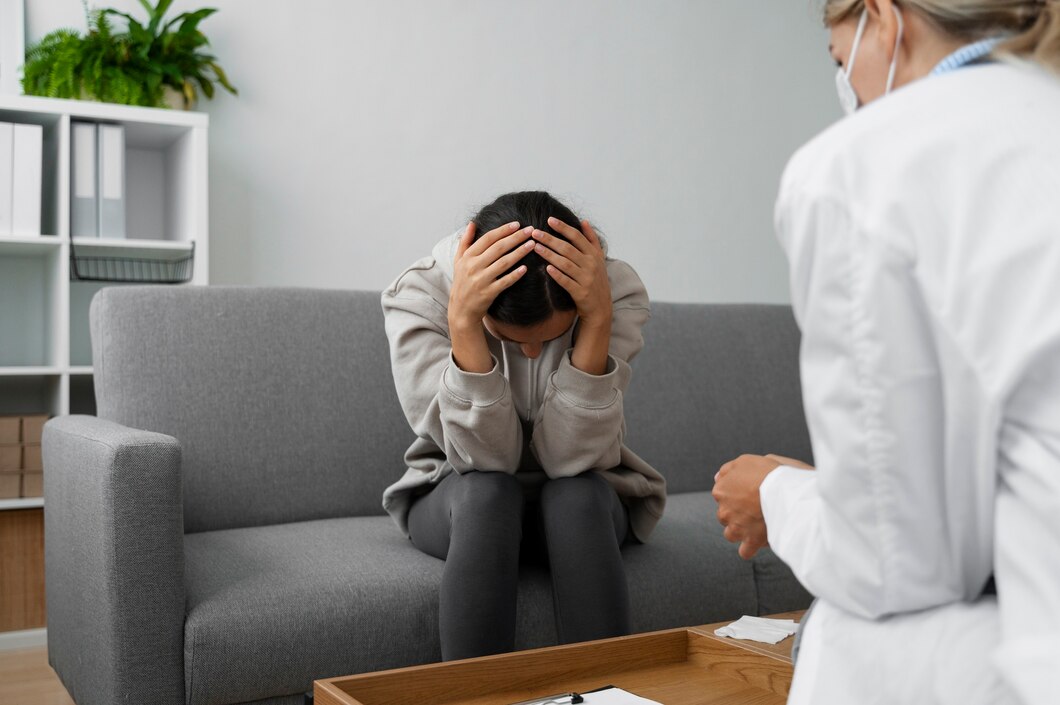
Anxiety is often influenced not only by biology and personality but also by daily stressors and lifestyle choices. Recognizing how Anxiety symptoms are connected to stress and habits is crucial for early intervention and long-term emotional well-being. Understanding these links allows individuals to make practical adjustments that support mental health and resilience.
How Stress Contributes to Anxiety Symptoms
Stress triggers the body’s natural fight-or-flight response. While short-term stress is manageable, chronic stress can lead to persistent anxiety.
Chronic Work or Life Pressure
Ongoing demands at work, family obligations, or financial responsibilities can maintain a heightened state of alertness, causing anxiety to become a regular experience.
Traumatic or Unresolved Events
Past trauma or unresolved emotional conflicts may resurface during periods of stress, intensifying anxiety symptoms such as fear, restlessness, or tension.
Emotional Overload
Excessive stress can reduce the capacity to regulate emotions, leading to irritability, mood swings, and a sense of being overwhelmed.
Lifestyle Habits That Influence Anxiety Symptoms
Daily habits have a direct impact on the nervous system and emotional regulation. Certain patterns can exacerbate anxiety over time.
Poor Sleep Hygiene
Inconsistent sleep schedules, late-night screen use, or insufficient sleep weaken the body’s ability to recover, amplifying anxiety symptoms such as restlessness and irritability.
Unbalanced Nutrition and Stimulant Use
High sugar intake, irregular meals, excessive caffeine, or alcohol consumption can trigger physical sensations associated with anxiety, including palpitations, jitteriness, and heightened nervousness.
Lack of Physical Activity
Sedentary habits reduce the release of stress-relieving hormones like endorphins, which naturally help manage anxiety and regulate mood.
Emotional and Physical Anxiety Symptoms Linked to Lifestyle
Understanding the relationship between habits and anxiety symptoms helps identify practical points for intervention.
Muscle Tension and Headaches
Lifestyle stressors and inactivity often manifest physically as chronic tension, shoulder stiffness, and tension headaches.
Fatigue and Cognitive Overload
Irregular sleep and high stress reduce mental clarity, impair focus, and increase the risk of negative thinking patterns.
Heightened Emotional Reactivity
Diet, sleep, and stress levels all influence emotional resilience. Poor habits can make adults more susceptible to irritability, worry, or sudden mood shifts.
Breaking the Cycle: Practical Strategies
Addressing stress and lifestyle factors can significantly reduce anxiety symptoms and improve overall quality of life.
Prioritizing Restful Sleep
Setting a consistent sleep schedule, limiting screen time before bed, and creating a calming bedtime routine support the nervous system and reduce anxiety.
Balanced Nutrition and Hydration
Eating regular, nutrient-rich meals and moderating stimulants and alcohol intake helps stabilize mood and physical sensations linked to anxiety.
Incorporating Regular Physical Activity
Even moderate exercise, like walking, yoga, or stretching, supports hormone balance, reduces muscle tension, and enhances emotional regulation.
Stress Management Techniques
Mindfulness, meditation, and relaxation exercises help adults respond to stress without letting it escalate into persistent anxiety.
Building Sustainable Habits for Anxiety Prevention
Long-term anxiety management is most effective when changes are sustainable and consistent. Small, achievable steps often lead to lasting improvements.
Creating Structured Daily Routines
Consistent routines reduce uncertainty and stress, making it easier to recognize and respond to early anxiety symptoms.
Monitoring Stress Triggers
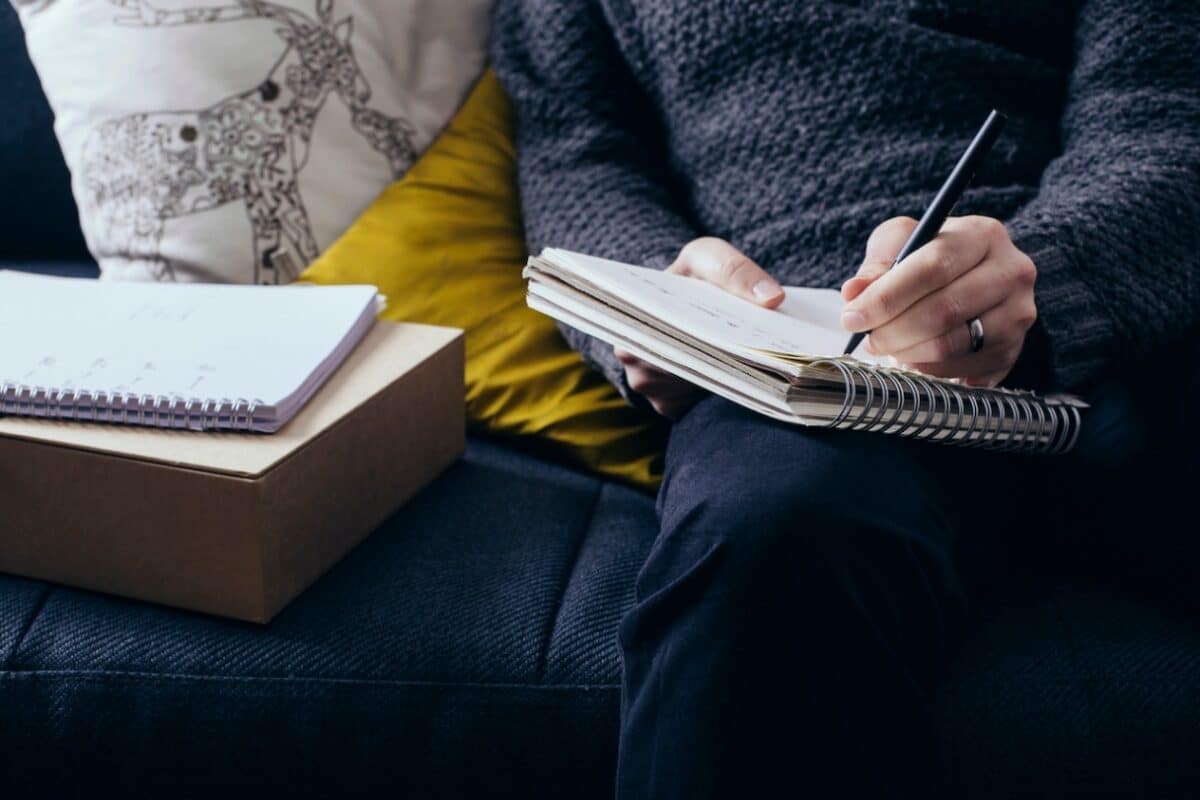
Keeping a journal or tracking situations that intensify anxiety helps identify patterns and informs practical lifestyle adjustments.
Seeking Support When Needed
Professional guidance can help develop personalized strategies to manage stress, adjust lifestyle habits, and reduce anxiety symptoms effectively.
Conclusion
Anxiety symptoms are deeply intertwined with stress and lifestyle habits. By understanding these connections, individuals can make informed choices that support emotional and physical well-being. Recognizing patterns early and implementing evidence-based adjustments promotes resilience and reduces the impact of anxiety on daily life. Calm Minds Hub emphasizes compassionate, practical guidance for navigating anxiety in a sustainable and empowering way. Navigate all sections easily by returning to the homepage.
FAQs
Can lifestyle changes reduce anxiety symptoms
Yes, adopting healthy habits such as regular sleep, balanced nutrition, physical activity, and stress management can significantly reduce anxiety symptoms over time.
How does chronic stress worsen anxiety
Chronic stress keeps the body in a heightened state of alertness, which intensifies worry, emotional reactivity, and physical tension associated with anxiety.
Are certain habits more likely to trigger anxiety
Yes, habits such as excessive caffeine or alcohol use, poor sleep routines, sedentary behavior, and irregular eating patterns can trigger or worsen anxiety symptoms.