
Top Features to Look For When Choosing a Microwave Oven
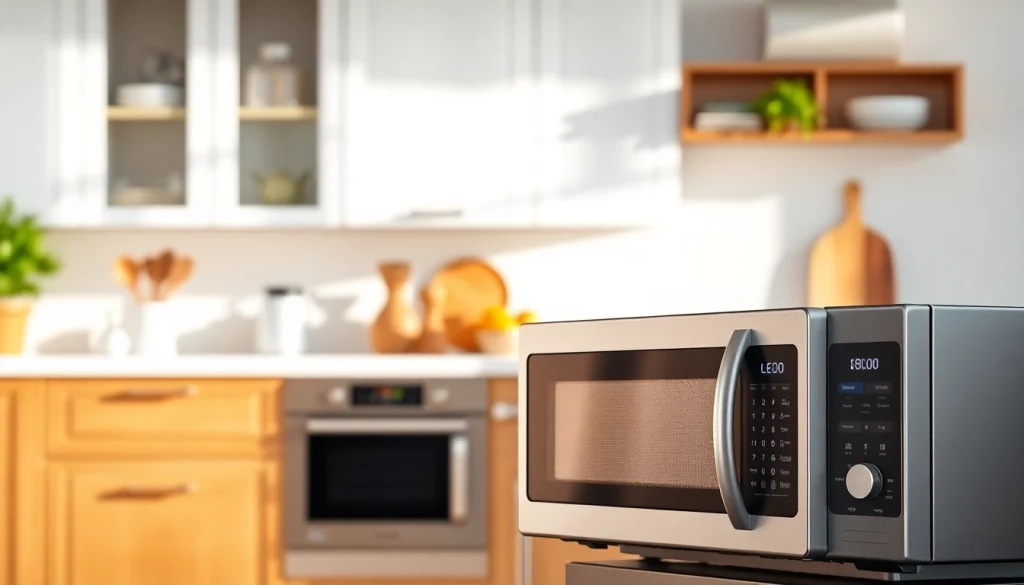
Microwave ovens have become indispensable appliances in modern kitchens, simplifying meal preparation and offering convenience for busy lifestyles. However, with various options available, understanding how to choose the right Microwave Oven can make all the difference. From cooking preferences to space considerations, this guide will help you navigate through the essential features of microwave ovens, their types, common challenges, and emerge equipped with all the information you need to make an informed decision.
Understanding Your Microwave Oven Needs
Determining Usage Frequency
Your frequency of usage plays a pivotal role in selecting a suitable microwave oven. If you rely on your microwave daily to heat meals, reheat leftovers, or cook quickly, investing in a high-quality model with advanced features is warranted. Conversely, if your usage is sporadic, a basic model may suffice. Understanding your needs will ensure that you choose a microwave that aligns with your habits and cooking style.
Assessing Kitchen Space
Before purchasing a microwave oven, evaluating the available space in your kitchen is crucial. Consider whether you have adequate countertop space or if a built-in model would be more appropriate. A compact microwave works well in smaller kitchens, while larger spaces can accommodate bigger, multifunctional units. Make sure to measure the area where you plan to place the microwave to avoid purchasing a model that doesn’t fit.
Identifying Cooking Preferences
Your culinary preferences will significantly influence the type of microwave oven you choose. If you often prepare different types of food, look for one with versatile settings and features. For those who enjoy baking or roasting, consider a convection microwave that can circulate hot air for even cooking. Understanding your cooking style will guide your choice significantly.
Essential Features of Microwave Oven
Power Levels and Cooking Time
Power levels determine how efficiently a microwave oven cooks food. Ranging from low to high settings allows you to use precise cooking times for different dishes. Look for models that offer multiple power levels; this flexibility ensures food is cooked evenly and thoroughly. A high wattage (at least 800 watts) is recommended for fast cooking and even results.
Size and Capacity Considerations
Microwave ovens come in various sizes, and choosing the right capacity is essential. Standard sizes typically range from 0.5 cubic feet, suitable for single servings, up to 2.0 cubic feet or larger, ideal for families. Assess how many people you usually cook for and the size of plates or containers you typically use to ensure that your microwave can accommodate those dimensions.
Smart Features and Technology
Modern microwave ovens often feature smart technology. These can include sensor cooking, which automatically adjusts cooking times based on the moisture detected in food, and compatibility with smartphone apps for convenience. Look for models that offer these features if you want an advanced cooking experience that saves time and enhances precision.
Types of Microwave Oven
Countertop vs. Built-in
Countertop microwaves are versatile and can be placed anywhere with an outlet, making them ideal for renters or those frequently rearranging their kitchen layout. Built-in microwaves, on the other hand, integrate seamlessly into cabinetry, offering a sleek look. The type you choose will depend on your kitchen design preferences and available space.
Convection vs. Traditional
Convection microwaves use a fan to circulate heated air, allowing for browning and even heating, making them an excellent choice for roasting or baking. Traditional microwaves use a magnetron to generate microwaves for heating, best suited for straightforward reheating and defrosting tasks. Consider your cooking style and what dishes you prepare most to select between these options.
Portable Options for Small Spaces
Portable microwave ovens are a great choice for those with limited kitchen space or for use in dorms and RVs. Compact models are lightweight, easy to store, and still provide essential microwave functions. Look for features such as easy-to-use controls and although smaller capacity, effectively serve basic needs.
Common Challenges with Microwave Oven
Overcoming Cooking Inconsistencies
Inconsistent cooking can be a common challenge with microwave ovens. To overcome this, ensure to rotate food items during cooking and use microwave-safe dishes. Utilizing the defrost function correctly and organizing more significant items in the center will help heat food evenly. Familiarizing yourself with the operating instructions can grant you better results.
Maintenance and Cleaning Tips
Regular maintenance is essential for the optimal performance of a microwave oven. Clean the interior surfaces with mild soap and water or a vinegar solution to eliminate odors and stains. It’s also important to check the door seals and keep them clean to prevent leaks. Regularly inspect the ventilation grille and ensure it is free of debris for efficient operation.
Addressing Safety Concerns
While microwave ovens are generally safe, addressing potential concerns is essential. Avoid using metallic utensils or containers that may spark or cause fires. Never operate an empty microwave, and closely supervise cooking to avoid overheating. Familiarize yourself with the safety features of your appliance and adhere to all manufacturer guidelines for safe usage.
Frequently Asked Questions About Microwave Oven
What is the average lifespan of a microwave oven?
The average lifespan of a microwave oven is around 9 to 10 years, but this can vary depending on usage, maintenance, and build quality. Regular care can extend its lifespan significantly.
How can I prevent microwave odor?
To keep your microwave odor-free, regularly clean it with lemon water or vinegar. Placing a bowl of water with lemon slices and microwaving it can help remove stubborn smells.
What features are essential for families?
Families should look for microwave ovens with larger capacities, multiple power settings, child safety locks, and sensor cooking capabilities to ensure food is cooked evenly and safely.
Can a microwave oven be used for baking?
Yes, a convection microwave oven can bake by circulating hot air, allowing baked goods to rise and brown. However, traditional microwaves are primarily for reheating and may not provide desired baking results.
How do I adjust power settings for different foods?
Different foods require various settings; use lower power settings for delicate items like cheese or seafood, while higher settings are better for meat and hearty foods. Refer to the microwave’s user manual for specific cooking guides.