Mastering Fire Safety: The Essential Guide to Pass Fire Extinguisher Techniques
Understanding Fire Extinguishers
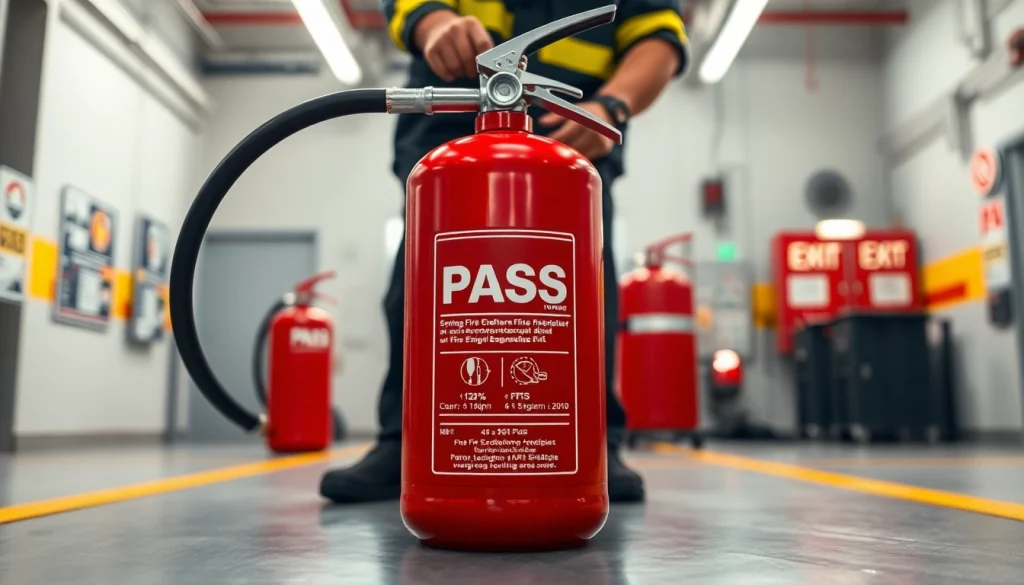
Fire extinguishers are vital safety tools designed to control and extinguish small fires. Their presence in homes, offices, and public spaces can be lifesaving. Understanding how they work and the best practices for their use can empower individuals to act confidently during an emergency. Among the key concepts in fire safety is the pass fire extinguisher method, which provides clear and effective steps for extinguishing a fire safely.
The Types of Fire Extinguishers
Fire extinguishers come in various types, each designed for specific classes of fires. The primary types include:
- Class A: Suitable for ordinary combustibles such as wood, paper, and cloth.
- Class B: Effective against flammable liquids like gasoline, oils, and paint.
- Class C: Designed for electrical fires, making them safe to use on live electrical equipment.
- Class D: Intended for flammable metals, often found in laboratories and industrial settings.
- Class K: Specifically for kitchen fires involving cooking oils and fats.
Each extinguisher is labeled according to the class of fire it can combat, ensuring users can select the appropriate tool in an emergency situation. Understanding these classifications is crucial as using the wrong type of extinguisher can exacerbate the fire or even cause explosions.
How the PASS Technique Works
The PASS technique is an acronym that stands for Pull, Aim, Squeeze, and Sweep. This method serves as an easy-to-remember guideline for using a fire extinguisher effectively:
- Pull: Pull the pin located at the top of the extinguisher to break the seal.
- Aim: Aim the nozzle at the base of the fire. Targeting the base ensures that the extinguishing agent reaches the source of the flames.
- Squeeze: Squeeze the handle or lever slowly to discharge the extinguishing agent.
- Sweep: Sweep the nozzle from side to side while continuing to aim at the base of the fire until it is fully extinguished.
By following these four steps, individuals can enhance their effectiveness in dealing with small fires, potentially preventing damage and injuries.
Common Myths about Fire Extinguishers
Numerous misconceptions surround fire extinguishers that can hinder their proper use. Some of the most prevalent myths include:
- Myth 1: Fire extinguishers are only needed in commercial settings.
- Myth 2: Once a fire extinguisher is used, it can be reused without servicing.
- Myth 3: A water extinguisher can be used for any type of fire.
- Myth 4: It’s safe to use a fire extinguisher in a smoke-filled area.
Understanding the reality behind these myths helps individuals prepare appropriately, contributing to better safety outcomes during emergencies.
The Importance of Fire Safety Training
Training in fire safety, particularly in using extinguishers, is crucial for ensuring a quick and effective response when fire emergencies arise. Organizations and homes that prioritize training can substantially reduce the likelihood of injuries or extensive property damage.
Why Train in the PASS Method?
The PASS method is simple yet effective, making it an excellent focus for training sessions. When individuals practice this technique, they become more confident in their ability to respond to fires. Training should include hands-on experiences where participants can:
- Identify different types of fire extinguishers and their uses.
- Practice the PASS technique in simulated scenarios.
- Learn to assess when it is appropriate to use an extinguisher versus evacuating.
Ultimately, training reduces panic and confusion during a fire incident, enabling participants to act swiftly and efficiently.
Real-Life Scenarios and Their Outcomes
Learning from real-life fire incidents can be instrumental in educating individuals about the potential dangers and appropriate responses. For example, in a recent case, a small kitchen fire broke out in a residential home due to cooking oil overheating. The homeowner, trained in the PASS method, quickly reached for their extinguisher and effectively extinguished the flames before they spread, effectively saving their home from significant damage.
Conversely, there are alarming statistics that highlight the consequences of lack of training. Data shows that roughly 49% of household fire injuries occur in homes where there are no fire extinguishers, reflecting a critical need for educational initiatives.
Compliance with Fire Safety Regulations
In addition to safety awareness, understanding and complying with local fire safety regulations is essential for all businesses and residences. These regulations often dictate:
- Number and type of extinguishers that need to be present based on building size and use.
- Regular maintenance checks for extinguishers to ensure they are operational.
- Employee and resident training protocols regarding fire safety procedures.
Failure to comply with these regulations can result in significant penalties and increased risk during emergencies. Fire safety training programs often include information on these regulations, making compliance an integral part of the learning process.
Step-by-Step Guide to Using a Fire Extinguisher
Having an extinguisher present is only part of the fire safety equation; knowing how to use it effectively makes all the difference. This guide outlines essential steps to prepare before an emergency arises, apply the PASS technique, and maintain your extinguisher.
Preparation Before an Emergency
Preparation is key when it comes to dealing with fires effectively. Here are some steps to take:
- Placement: Ensure that fire extinguishers are placed in accessible areas throughout your building. Common locations include kitchens, near exits, and in areas where flammable materials are stored.
- Regular Inspections: Conduct routine checks on your extinguishers. Look for any visible signs of wear, ensure the pin is intact, and check the pressure gauge to confirm that it is fully charged.
- Education: Inform all building occupants about the locations of extinguishers and the types of fires they can tackle. Awareness is a crucial component of effective fire response.
Taking these preparatory steps increases the chances of effectively using a fire extinguisher when a fire occurs.
Practical Application of the PASS Technique
Knowing how to use an extinguisher is essential, but practice makes perfect. Many organizations offer training sessions where participants can practice the PASS technique. Here’s how practical training often unfolds:
- Instructor-led demonstration of the PASS technique.
- Hands-on practice with real or simulated extinguishers.
- Live fire demonstrations to showcase the effectiveness of the technique in controlling fire.
Real-life training scenarios allow individuals to practice in a controlled setting, improving their confidence and skill in using extinguishers during actual emergencies.
Maintaining Your Fire Extinguisher
Maintenance is as crucial as knowing how to use an extinguisher. Regular checks are vital to ensure operational efficiency. Key maintenance steps include:
- Monthly visual inspections to check for signs of damage or wear.
- Annual professional inspections as recommended by the National Fire Protection Association (NFPA).
- Recharging or replacing extinguishers after use, even if they seem partially full.
- Replacing extinguishers every 5 to 12 years, depending on the type and manufacturer’s guidelines.
Well-maintained extinguishers are more likely to function effectively during an emergency, providing peace of mind.
Advanced Fire Safety Tips
Fire safety extends beyond simply using extinguishers. Here are additional strategies for improving overall safety in various environments.
Identifying Fire Hazards in Your Environment
Awareness of potential fire hazards plays a critical role in preventing fires before they start. Common hazards include:
- Overloaded electrical outlets, particularly in homes and workplaces with multiple devices.
- Flammable materials stored improperly near heat sources.
- Neglected cooking appliances, such as stoves left unattended.
- Poorly maintained heating systems, which can become fire risks during colder months.
Conducting regular fire risk assessments can help identify these hazards and mitigate risks before incidents occur.
Creating an Effective Fire Escape Plan
Developing a comprehensive fire escape plan is vital for ensuring all occupants know how to evacuate safely in an emergency. Key components of an effective plan include:
- Clearly marked exits and escape routes.
- Designated meeting points outside the building for accountability.
- A plan that considers everyone’s physical abilities; for instance, providing alternative routes for individuals with mobility challenges.
- Regular drills to ensure everyone is familiar with escape routes and procedures.
Practicing the escape plan can significantly enhance safety and reduce chaos during emergencies.
Regular Safety Drills and Their Benefits
Conducting fire drills at least twice a year is recommended for businesses, schools, and residential communities. Drills offer numerous benefits, such as:
- Helping occupants familiarize themselves with the sound of alarms and emergency procedures.
- Encouraging a culture of safety and preparedness among occupants.
- Identifying weaknesses or issues with the current fire safety plan, allowing for adjustment and improvement.
Ultimately, regular rehearsals can save lives by ensuring that everyone knows how to react in the event of a fire.
Resources for Continued Learning
As fire safety practices and standards evolve, continuous education is essential for both individual and public safety. Here are resources to help enhance your understanding and preparation:
Finding Certified Fire Safety Courses
Numerous organizations offer certified fire safety courses. The National Fire Protection Association (NFPA), local fire departments, and community colleges often provide training sessions and workshops. Look for courses that cover:
- The use of fire extinguishers.
- Developing and implementing fire safety plans.
- Emergency response training and first aid.
Certification from recognized organizations enhances your credibility and ensures you are well-equipped to handle fire emergencies.
Recommended Reading and Online Resources
Numerous books and online platforms provide valuable insights into fire safety. Consider resources that cover:
- Fire science basics, including combustion and fire dynamics.
- Fire prevention strategies and comprehensive safety checklists.
- Legal obligations and best practices for different types of buildings.
Engaging with these materials keeps safety knowledge fresh and relevant.
Connecting with Local Fire Departments for Training
Local fire departments often conduct community outreach programs and training sessions. Reach out to find out about available resources, which may include:
- Community fire safety talks and seminars.
- Hands-on training with fire apparatus and equipment.
- Programs specifically designed for children and seniors.
By building a relationship with local fire services, you can stay informed about safety practices and available resources.